Claude Skills, Generative Art, and Hosting Raw HTML in Next.js
Claude.ai now has skills and connectors. I used one to build a generative art visualizer in a minute. Then figured out the cleanest way to ship it.
Claude.ai Has Skills Now
Claude.ai is quietly getting much more useful. They've added first-party skills — pre-built capabilities that Claude can use inside a conversation. One of them is a generative art skill powered by p5.js.
There's also a growing connectors ecosystem (their term for extensions/integrations) — things like GitHub, Google Drive, Notion, and more. The short version: Claude.ai is starting to look a lot less like a chatbot and a lot more like an actual platform.
What p5.js + Claude Produced in One Prompt
I used the generative art skill and asked for something cool. Within a minute I had Plasma Cosmos — thousands of luminous particles flowing through layered noise fields, curling vortex forces, a deep space background, and a full sidebar of tweakable parameters:
- Turbulence, vortex strength, trail fade, speed, field scale, particle count
- Three customizable colors (plasma core, nebula mid, void edge)
- Seed navigation — every seed is a different cosmos, fully reproducible
- Download PNG
The output was real, working, interactive code. Not a starting point — a mostly finished thing. Try it: Plasma Cosmos.
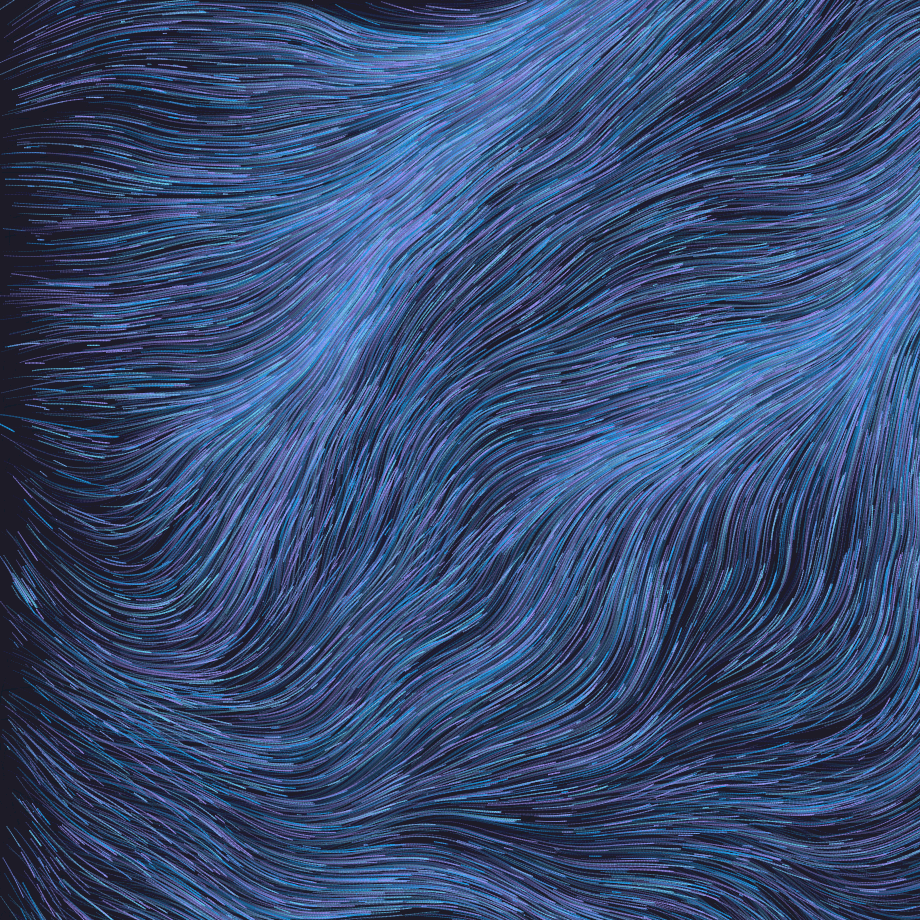 Plasma Cosmos
The Integration Question
The file is pure HTML/CSS/JS — a single self-contained document using p5 from a CDN. So the question became: how do I get this on the site?
Option 1: Convert to React. It's doable — p5 works well in a useEffect with a canvas ref, instance mode is the React-friendly pattern, and Claude already generated the sketch in instance mode. But it means rewriting all the UI, converting styles to Emotion or inline, hooking up state, installing p5 as a dependency. Real work.
Option 2: Host it as-is. Drop the HTML file in public/, add a rewrite in next.config.ts, clean URL with no .html. No conversion, zero maintenance. Works forever.
 .ts
.ts// next.config.ts
async rewrites() {
return [
{ source: '/plasma-cosmos', destination: '/plasma-cosmos.html' },
];
},That's it. /plasma-cosmos serves the full app.
Why Option 2 Is the Right Call Here
Converting every self-contained HTML experiment to React doesn't make sense. The value of being good at React isn't that everything has to be React — it's knowing when React is actually the right tool. For a generative art piece that's meant to be full-screen, immersive, with its own layout and sidebar? The HTML version is arguably better. No navbar overhead, no theme conflicts, its own contained experience.
I added a ← jaygriff.com link in the top right so anyone who lands there knows where it came from. That's the only integration it needs.
The actual lesson: public/ + rewrites is a legitimate deployment pattern. Any self-contained experiment, tool, or demo goes in public/, one rewrite entry, clean URL. Done.
Related Posts
- Vibecoding Plasma Cosmos from One-Prompt Toy to Real AppA Claude skill generated a generative art app in one prompt. Then I spent an evening vibecoding it with Opus into something I actually want to keep.
- Agent Skills Are InsaneWhen you write a function you get one function. When you write a skill you get a new intern who works for you.